 ManyStops
Shopping at independent and international grocers
Our Saturday runs rarely end at the supermarket. The basics come from there, and then the car turns toward the Mexican grocery for masa and dried chiles, and on a good week to the African grocery across town for yams and palm oil. Those smaller stores are where a lot of households buy the food they actually cook. They are also the stores that most shopping apps behave as if they have never heard of, and for a long time our list and our record of prices simply stopped at the supermarket door.
Why these stores fall through the gaps
It is not that the apps are careless. Most of them are built on information that a big chain hands over and a family business has no reason to produce.
- A catalogue. An app that prices your list reads the chain's own list of products and prices. An independent store usually has no such list, and certainly not one an app can read.
- A loyalty card. An app that fills in what you bought for you does it by reading your purchases from a loyalty account. Most small stores have no loyalty scheme at all.
- A floor plan. An app that sorts your list into aisles needs a map of the store. The store on the corner has never sent its layout to anybody.
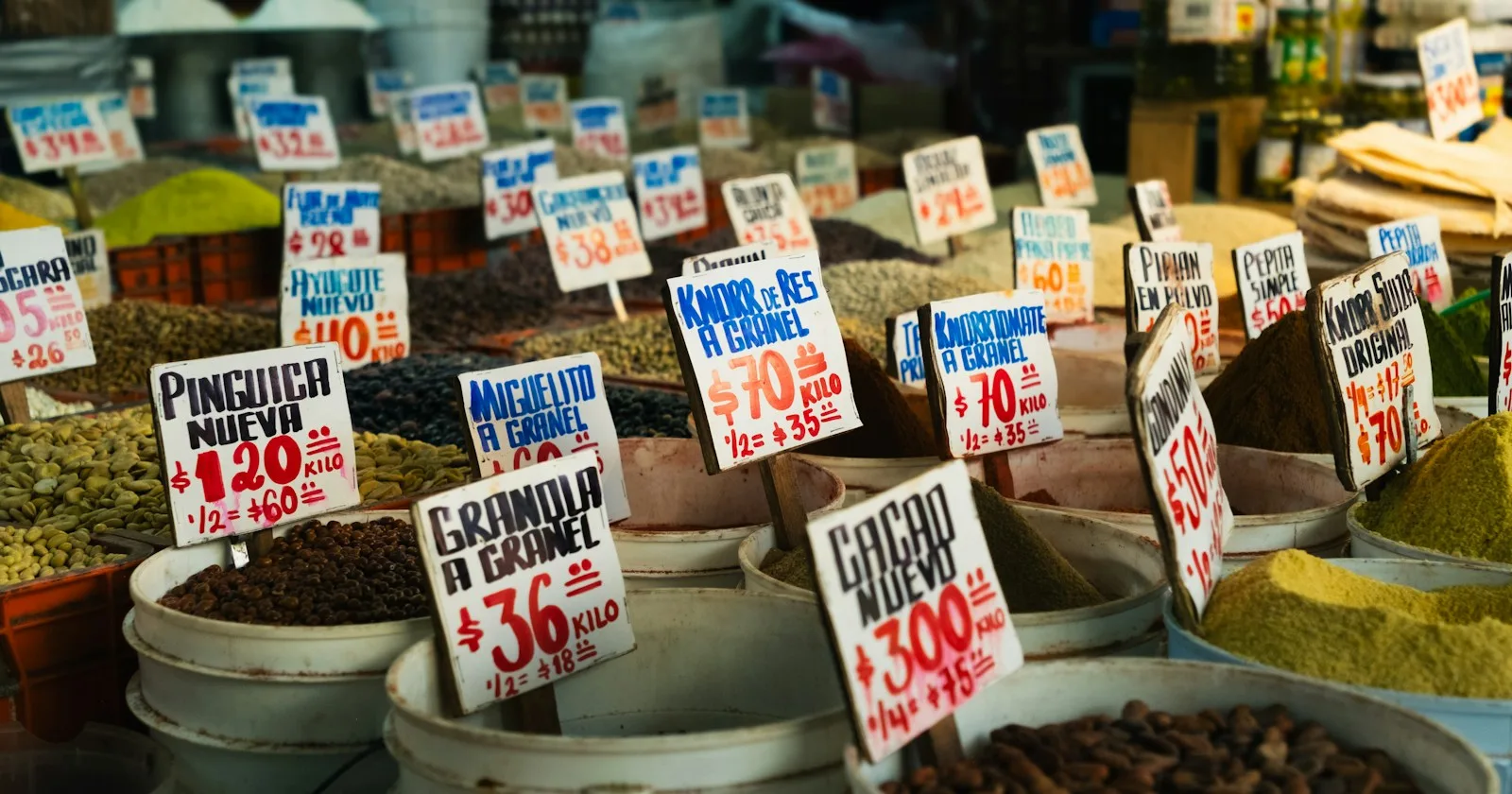
- A barcode. A lot of what these stores sell is weighed out or sold by the bunch, with a price written on a card.
Put those together and the app that works beautifully at the supermarket has nothing to say about the store where you spend the most time reading labels.
What works instead is your own record
Everything an app would normally get from the chain, you already have. You know the order you walk the store in, because you walk it. You see the price, because it is on the card in front of you. The trick is to write it down while you are standing there, with the thing in your hand, because nobody is going to do it for you afterwards.
That is how ManyStops handles a store it has never seen. The first time you shop there, it learns the order from the order you pick things up, and the next list for that store comes out in that order. You type the price as you put each thing in the basket. For anything sold by weight, add the weight too, and it works out the price by weight. That is the only fair way to hold a bag of loose cumin up against a jar from the supermarket.
A photograph of the receipt fills in anything you skipped, as long as the store prints one. A handwritten receipt is hard for any reader to make sense of, ours included, and at those stores the price typed in the aisle is the one that counts.
Is the special trip worth it?
A store that sells a handful of things nobody else sells is its own errand, and it helps to treat it like one. ManyStops files a store that carries only a few things you cannot get anywhere else under A trip of its own. If the store is far from home, each day you plan it asks whether you are going out that way, and anything only it sells waits for the day you say yes.
On price, the only honest answer comes from your own receipts. Spices and flour sold loose are worth checking by weight against what you pay for the same thing at the supermarket, and after a few trips your own prices will show you which way it goes for your household. Some weeks the drive is worth it for the price alone. Most weeks it is worth it because the supermarket does not sell the thing at all.
A few habits that help
- Use the name on the label. If the store calls it masa harina, call it that in your list. You will find it faster on the shelf, and the price you record will be for the right thing.
- Take a photo of the item. A picture of the packet is quicker to match than a name, especially when the label is in a language you read slowly.
- Note the brand. Two bags of rice on the same shelf can be very different rice. A word in the note saves buying the wrong one next time.
- Keep the store's own name. Search for it on the map when you add it, and ManyStops knows how far it is and puts it in the right place in your plans.
None of this needs the store to do anything differently. It only needs the list to belong to you, which is the whole idea.
Read next: One shopping list for a shared house